


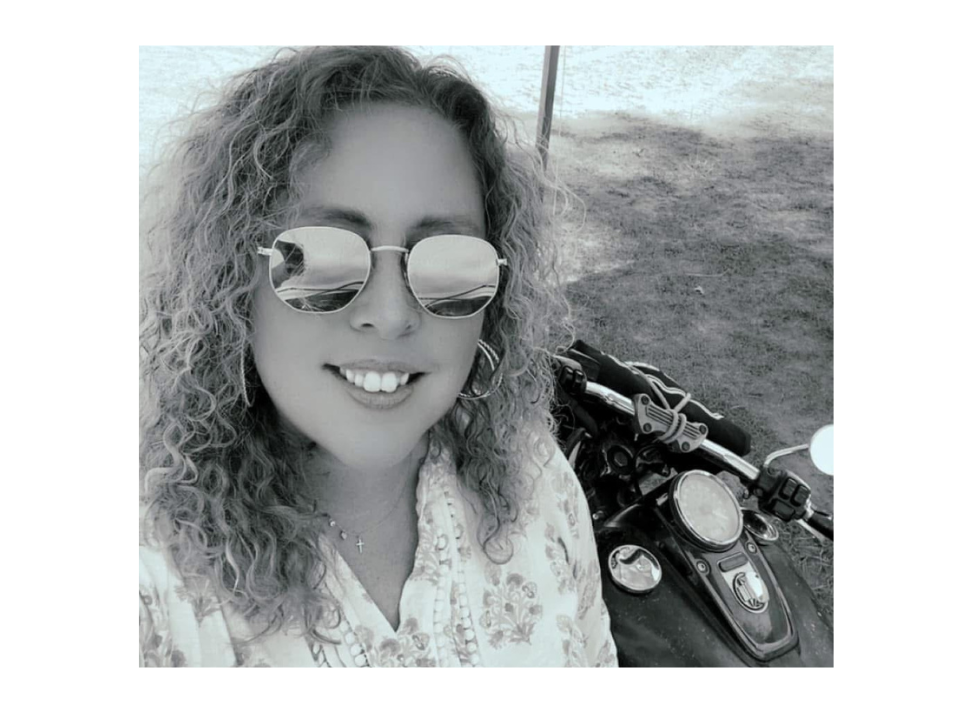
Shelly Lonsby is a Medical Assistant Instructor at the Ross Port Huron campus and a recent GEM nominee whose journey has come full circle. Having started her own career path as a Ross student, Shelly now uses her twenty years of experience to mentor others through the same transformation she experienced herself. She isn’t just teaching clinical skills; she’s teaching her students how to rewrite their own stories and break old cycles. We sat down with her to discuss her transition from the field to the classroom and why she believes a career should be something you love so much you’d do it for free.
Can you tell us about your background and what first led you here?
I was born and raised right here in Port Huron. My journey with Ross actually started when I was just a kid watching TV! I remember the old “My Mommy went to Ross” commercials. Coming from a generation where my family struggled and relied on state assistance, I knew I wanted to break that cycle. I wanted to do something with my life where I didn’t depend on a check from the state. Ross was my break. I graduated, got hired right from my externship, and spent over 20 years in the field before finding my way back here to teach.
You spent two decades in the field. What was it that finally nudged you toward becoming an instructor?
Honestly, at first, I didn’t think I could do it! Our career rep, Mrs. Collier, suggested it, and my initial reaction was, “Never, I could never do that.” I originally took it on for some extra income, but I fell in love with it almost immediately. I realized that after 20 years at Physicians Healthcare and four years in Nephrology, I had so much real life experience to offer. It’s the most fulfilling career I’ve ever had.
Looking back at your journey, what advice would you give to your younger self?
I would tell my younger self to always have the courage to choose her own future first. Earlier in my life, I had the opportunity to pursue a five year Master’s program at a different school, but I chose a different path because of a relationship I was in at the time. While I wouldn’t change the person I’ve become or the life I have today for anything, I do think about how a different educational path would have changed my world. Everything led me to where I am now, and I’m stronger for it, but I’d tell my younger self: your growth and your education should always be your North Star.
How do you define the difference between a job and a career?
To me, a job is something you do for the money; you might like it, but you don’t necessarily love it. A career is something you’re passionate about. I love teaching so much that I’d come in an hour early without pay and not mind at all, because watching the transformation in these students seeing them go from day one to graduation is a feeling you just can’t put a price on.
What was the biggest challenge you faced when you first stepped into the classroom?
The attention. I’ve never liked having the spotlight on me 24/7, so standing in front of a group to lecture was intimidating at first. It took about a month or two of doing it consistently for it to become second nature. Now, it’s like breathing. I just had to realize that the students weren’t just looking at me; they were looking for the knowledge I had to share.
You mentioned that the math module was a hurdle for you. How did you handle teaching a subject that was once a personal challenge?
Oh, the math mod was very challenging! It was tough for me when I was a student, so I had to work twice as hard to learn it well enough to teach it. I did extra studying and worked through problems myself until I found a process that worked. There is no better feeling than when a student who is struggling finally gets it. Recently, I had a class where everyone got the practice problems right on their own. I went straight to Mrs. Clark to celebrate that win!
How do you help students who feel like they are hitting a roadblock and want to quit?
Nearly 90% of students hit a wall at some point where they feel like they can’t do it. I tell them, “Just communicate with me. We’ll figure this out; we’ll get around it.” Being a mentor is about understanding that they are people first. I’ve been where they are. I’ve come from nothing and I want them to know that their current circumstances aren’t their final destination.
Who have been your biggest mentors during your time at Ross?
Stacy Clark and Mrs. Collier have been huge supports for me. I wouldn’t be as successful as an instructor today without their guidance. Also, I have to mention my mom. Before she passed, she told me I’d be a great teacher because she was a substitute herself. At the time, I told her she was crazy! But she saw something in me that I hadn’t seen yet.
What is your daily routine for setting your students up for success?
I get to campus early to get my board ready and my emails sent. I review the material one more time to see if there’s a new real world story I can add to the lesson. Whether it’s clinical or admin days, we start right at 8:15. If it’s clinic, we’re doing vitals immediately. I like to keep them on their toes and keep the atmosphere light so learning stays fun.
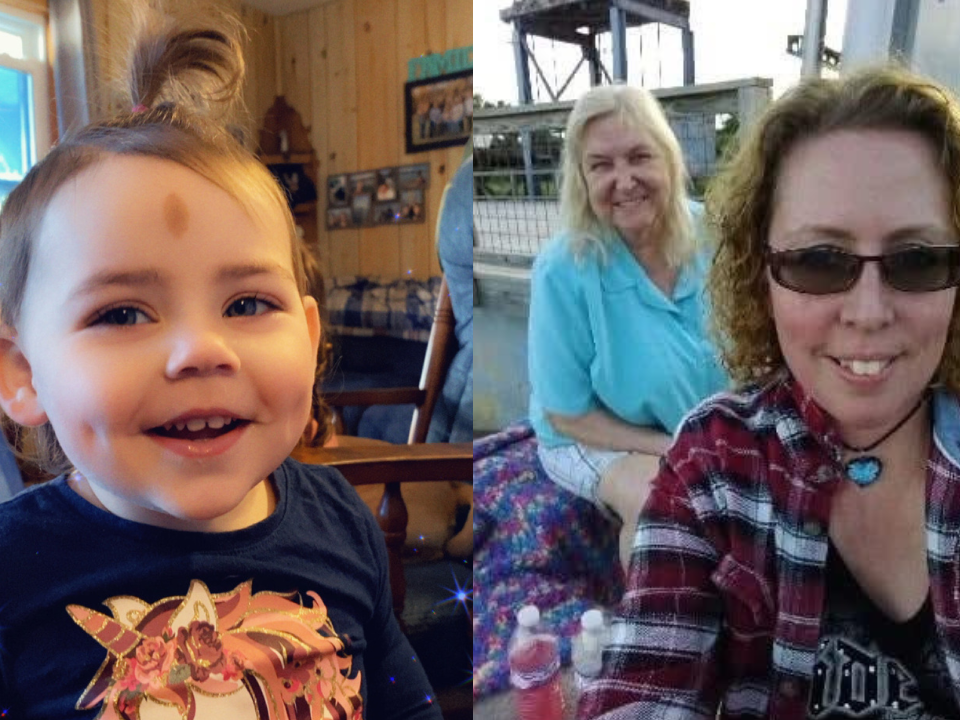
You talk a lot about Quality vs. Quantity in healthcare. What does that mean to you?
In the medical field today, people can feel like just a number because everyone is so overworked. I want our graduates to be quality care medical assistants. I teach them about empathy and compassion treating every patient the way you would want your own family member to be treated.
How has your own family been impacted by the Ross Legacy?
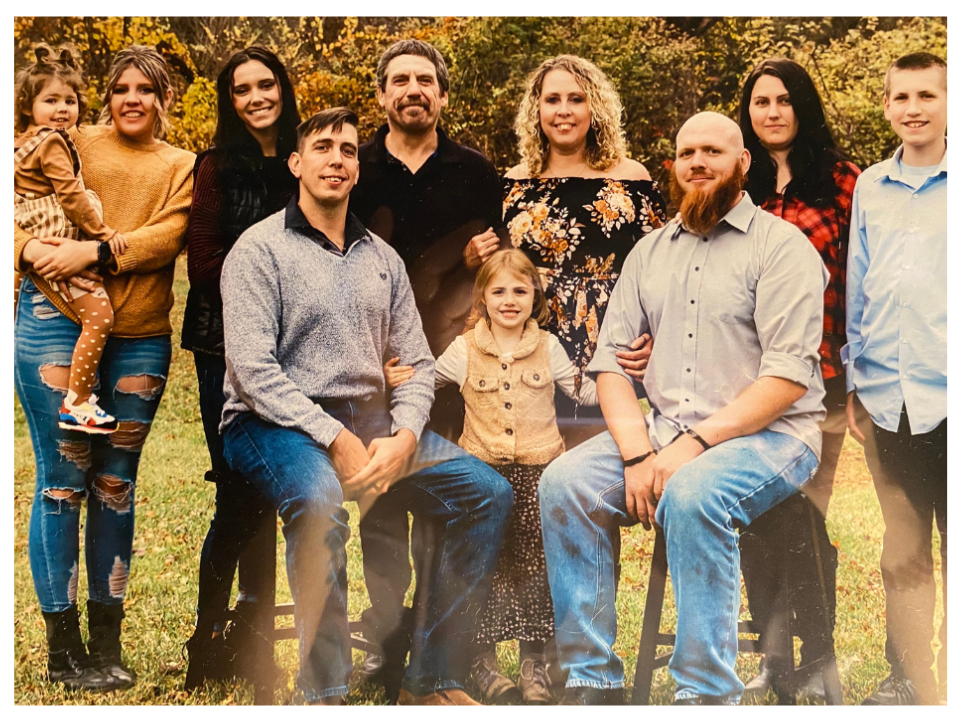
It’s a family affair! Both my son and my daughter took the Ross program. My daughter went on to become a scribe and is now a nurse. Ross has done so much for my family, and seeing my children succeed and break those old chains is one of my proudest accomplishments.
What do you like to do when you aren’t at the Port Huron campus?
I love crafting! I’m a big crocheter. I actually made all of my students little gifts for Christmas. I also love to sing, though I don’t do it as much as I used to. It’s important to have those creative outlets to stay balanced.
Tell us a fun fact about you.
Most people wouldn’t guess it, but I love riding on the back of a Harley Davidson, and I love racing! My husband has a heavy truck that he lets me race at the track, and I’ve even raced side by side. There’s nothing like the adrenaline of the racetrack!
What are your long-term goals as an educator?
I plan to retire with Ross. My goal is to be that teacher that students remember years down the road, the one they reach out to when they hit a milestone in their own careers. I tell my girls to reach out to me even after they graduate, and many of them still do.
If there is one message you want your current students to take away, what is it?
Never stay stagnant. Even if you decide the medical field is just your starting point, keep growing and keep learning. Education is a foundation that no one can take away from you. Use it to build the life you want.
You mentioned that you have a very supportive workgroup at the Port Huron campus. How did they help you when you were first starting out?
They were absolutely incredible. When I first transitioned into teaching, there wasn’t an A to Z manual on exactly how to be an instructor, so I had to find my own rhythm. Whenever a situation came up that I wasn’t sure how to handle or address, the team at Port Huron was right there to make sure I stayed on track. Having that kind of safety net makes a huge difference when you’re stepping into a new role.
Why do you feel it’s so important to share your real-life experiences alongside the textbook material?
The textbook gives you the facts, but real life gives you the context. I’ve spent decades in the field, so I can tell my students, “The book says this, but when you’re actually in the room with a patient, here is what you might encounter.” It makes the material stick because they can see the purpose behind what they’re learning. It turns a lesson into a conversation.
You teach both day and evening classes, that’s a lot of energy! How do you stay motivated for that second shift?
My students are my motivation, period. They come in ready to go, and that energy is contagious. Even on a long day, when I see them getting it or getting excited about a new skill, it keeps me on my toes. We keep a very light, fun atmosphere in the classroom. If you make learning fun, it doesn’t feel like a chore for them or for me.
How do you approach the different personalities in your classroom?
That is something I’m still learning every single day. Everyone processes information differently. What one person finds helpful, another might find confusing or even offensive if you don’t frame it right. I’ve learned to adapt my avenues of teaching to fit the individual. It’s all about finding the right key to unlock their potential, and that requires being a good listener as much as being a good teacher.
You have a very strong lead by example philosophy. Why is consistency so important to you?
If I’m telling my students they need to be early, then I need to be early. If I’m teaching them about Ross regulations and professional standards, I have to demonstrate those every single day myself. They are going to follow suit based on what they see me do, not just what they hear me say. I want them to leave my classroom knowing exactly what a high quality medical assistant looks and acts like.
Shelly Lonsby is more than an instructor; she is a cycle breaker. By turning her own challenges into lessons for the next generation, she is ensuring that the Port Huron community is in capable, compassionate hands. Whether she’s teaching complex dosage calculations, racing trucks on the weekend, or cheering a student through a personal crisis, Shelly reminds us all that where you start doesn’t define where you can go. Her journey proves that with the right support and a lot of heart, you can truly change the trajectory of your life and the lives of everyone around you.