


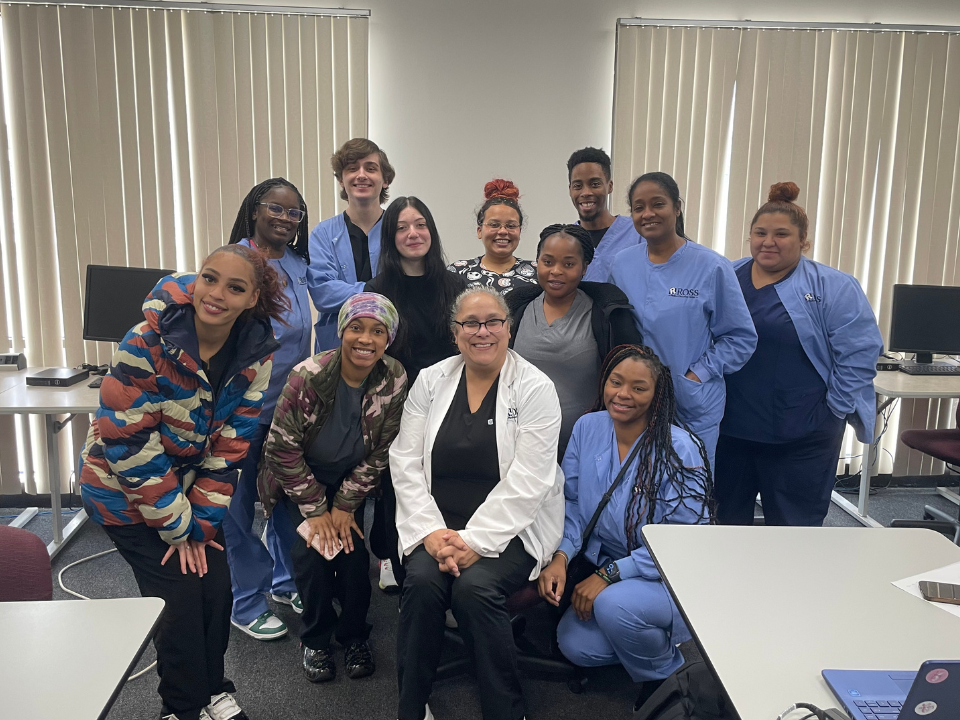
Deb Masucci has built a reputation for being the kind of instructor students instantly feel comfortable around. She is warm, patient, and genuinely invested in the success of every person she teaches. Having transitioned from a variety of odd-end jobs that never truly met her needs, she understands what it means to start over. Her journey taught her resilience and adaptability, qualities she now pours into every student she teaches. Much of her motivation came from wanting to build a meaningful future for her children.
When she finally made the decision to pursue healthcare, everything changed. She discovered a career that aligned with her strengths, allowed her to help others, and gave her a sense of purpose she had long been searching for. One of the most meaningful parts of her journey was coming home after long days and seeing the pride in her children’s eyes. That feeling kept her moving forward. Eventually, that passion led her to teaching, where she now has the chance to guide students through the same kind of life-changing transition she once experienced herself. Today, she’s especially proud that her daughter later followed in her footsteps.
In this interview, Deb opens up about her path, her teaching philosophy, and the experiences that shaped her into the instructor she is today. Her story is a reminder that growth can happen at any stage of life and that sometimes the most unexpected paths lead to the most fulfilling destinations.
Tell me a little bit about yourself.
I am a medical assistant instructor here at Kentwood and someone who truly loves what I do. Every day, I get to work with students who are taking brave steps toward a new career. In my classroom, I teach everything from clinical skills to professionalism to the small details that make daily life in a clinic run smoothly. But I also try to be someone they can talk to, someone who understands that life outside of school is real and sometimes heavy.
I always remind my students that I was once in their shoes. I know what it feels like to wonder if you are doing the right thing or if you can handle the challenge. Because of that, I try to create a classroom where they feel safe to learn, safe to make mistakes, and safe to grow.
Before finding your path in healthcare, you worked jobs that didn’t fulfill you. What was that experience like?
Working a variety of odd-end jobs taught me endurance, discipline, and the courage it takes to change your life, but they didn’t fulfill me or reflect my potential. I remember waking up some mornings thinking, Is this really it? Is this what I’m meant to do? I was grateful for the work because it helped support my children, but it never gave me the sense of pride or purpose I craved. Seeing my kids proud of me, even in small ways, was one of the things that kept me going and eventually pushed me toward healthcare. Looking back, that period taught me not only strength but also the determination to pursue a career that would make me feel alive and allow me to build a meaningful future for my family.
What made you finally decide to enter the medical field?
There was this growing voice inside me that I could not ignore anymore. I wanted a career where I could make a difference. I liked the idea of helping others through some of their most vulnerable moments. Healthcare combines compassion, skill, structure, and connection, and that combination just felt right for me.
I remember stepping into my first medical training class and feeling nervous but excited. I felt like I had finally taken a step toward something that mattered. And once I started working with patients, I knew I was exactly where I needed to be. Watching people receive care, seeing how relief washes over someone when they feel supported, or being able to say something reassuring, it all made me feel that I had found the right place. Also, knowing that I was building a better example for my children made the decision even more meaningful.
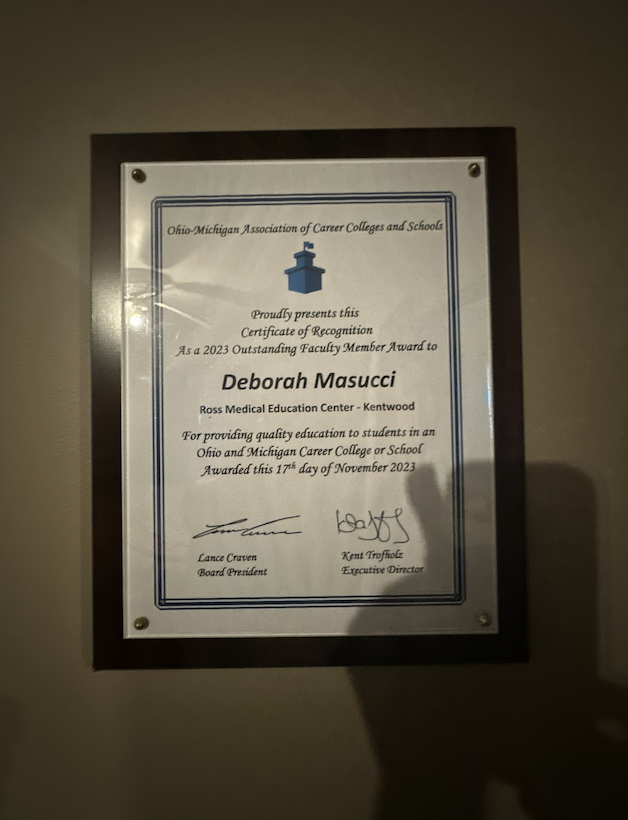
How did that experience eventually lead you into teaching?
Throughout my medical career, I naturally ended up training new hires or showing coworkers how to do certain skills. I enjoyed explaining things. I liked breaking down what we were doing and why it mattered. I liked watching people grow from nervous beginners into confident professionals. At some point, I realized that teaching was something that made me just as happy as working with patients.
Becoming an instructor allowed me to combine everything I had learned with something I was passionate about. It gave me the chance to help people in a different way. Now, instead of caring for patients one at a time, I get to help future medical assistants who will go on to care for thousands of patients. It feels incredibly meaningful. One of my proudest moments is that my daughter eventually chose to walk the same career path.
How would you describe your teaching style?
I would say my style is patient, honest, and hands-on. I do not want students to feel intimidated by the material. I want them to feel encouraged. When they walk into my classroom, I want them to know that it is okay not to know everything. It is okay to mess up the first time or even the fifth time. What matters is that they keep trying.
I use a lot of real-world examples because I want them to truly understand why something is done a certain way. And I always tell them that no question is too small. If they are confused, I want them to speak up. We laugh together. We learn together. Sometimes we struggle together. But we always keep going forward as a team.
What do you enjoy most about working with students?
I love watching people grow. I see students on their very first day, and they are nervous, holding onto their bags tightly, unsure of what is coming next. Then, as the weeks go by, they start opening up. They start mastering skills. They start participating more. They start believing in themselves.
And by the time they are heading into externship, they walk with confidence. They smile more. They trust themselves. Seeing that transformation is one of the most rewarding parts of my job. It reminds me why I teach.
What challenges do you see students face and how do you support them?
Many students juggle school with work, children, family obligations, or personal struggles. Sometimes they come to class exhausted or stressed. Other times they doubt themselves and worry that they are falling behind. When I see that happening, I remind them that it is okay to feel overwhelmed. What they are doing is not easy. But it is worth it.
I also remind them that they do not have to do this alone. I try to be someone they can talk to. Sometimes it is not even about school. Sometimes they just need someone who listens. I encourage them to take things day by day and to be proud of every small step they take.
What qualities do you believe every Medical Assistant should have?
Compassion, patience, attention to detail, and good communication are huge. But I also believe confidence is important. A medical assistant who trusts their training can provide better care. And professionalism matters, too. The way you greet a patient, the way you solve problems, the way you stay calm in a busy moment, it all reflects the quality of care you give.
Do you incorporate personal experiences into your teaching?
Yes, I do. I think storytelling is powerful. When I talk about my own experiences – working odd-end jobs, being a mother, choosing to start over, and eventually seeing my daughter follow in my footsteps – students see that I understand real struggles. They see that I am not just teaching from a textbook. I have lived through these transitions. I have been new. I have been unsure. By sharing those moments, students often feel more connected and hopeful about their own journey.
What moments make you feel proud as an instructor?
There are so many. When a student performs a skill correctly for the first time. When someone who doubted themselves suddenly understands a concept. When students encourage each other. When a graduate comes back to visit with a big smile and tells me about their new job. Every one of those moments fills me with pride.
But the moments that touch me most are the quiet ones. When a student whispers thank you after finally getting through a tough week. When someone tells me that they would have given up if I had not believed in them. Those are the moments that stay with me.
What do you hope students carry with them long after they finish the program?
I hope they carry their confidence. I hope they remember how much they grew, how hard they worked, and how capable they truly are. I want them to walk into every job interview, every clinic, and every patient interaction with their head held high.
I also want them to remember that it is okay to keep learning. Healthcare is always changing and growing. There is always something new to explore. And most of all, I hope they never forget that they matter. What they do makes a difference.
If you could give one message to anyone considering a career change, what would you say?
I would tell them that it is never too late. You are not stuck. You are not behind. You are not too old. Your life can still surprise you in the best way. It takes courage to start over, especially when you are used to doing things a certain way. But if you feel that tug inside you telling you that you want something more, listen to it. That voice led me to the best decision of my life. It also made my children proud, which is the greatest reward of all.
Deb Masucci’s story is a powerful reminder that careers are not always linear, and that some of the most meaningful paths begin with a leap of faith. Her classes are shaped by her genuine care, deep experience, and constant belief in what her students can achieve. Her journey from working odd-end jobs to healthcare professional to dedicated instructor shows just how transformative courage can be.
Through her teaching, she helps students build not only skills but also confidence and purpose. And for many of them, she becomes the person who helps them realize that they are capable of creating a future they once thought was out of reach.