


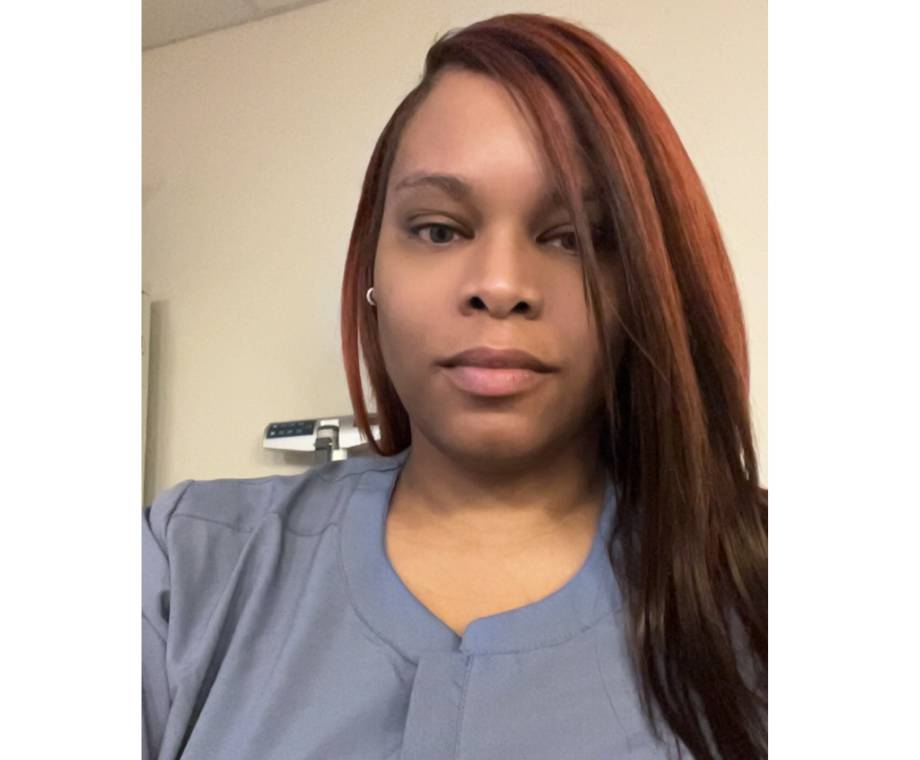
Not every career follows a linear path. Some take shape over time through experience, uncertainty, and the willingness to take chances. For Amia Aikins, the journey into healthcare and eventually into the classroom was not something she had mapped out in advance. Instead, it developed step by step, guided by hard work, personal growth, and a decision to lean into opportunities even when they felt unfamiliar.
Today, Amia brings that same mindset into her classroom. Her story is not just about becoming a medical assistant or an instructor; it is about building confidence, overcoming self-doubt, and learning to trust yourself through every stage of the journey.
We sat down with Amia to talk about her path from student to instructor, the challenges she faced along the way, and the lessons she hopes her students carry with them long after graduation.
Can you tell us about your background and what led you to Ross?
My journey began with a desire to create something more for myself and build a stable, meaningful career in healthcare. Like many students, I came into the program looking for direction and an opportunity to grow, and through my time at Ross, I quickly realized that the experience went far beyond the classroom. Through hands-on training and my externship, I gained real-world exposure that helped everything start to click, allowing me to apply what I learned in a practical setting while building both confidence and skill. That experience not only prepared me for the field but also gave me a deeper understanding of patient care and what it truly means to work in healthcare.
Did you always see yourself becoming an instructor?
Not at all, and that is what makes my journey even more meaningful. Becoming an instructor was not something I had planned, but rather an opportunity I found myself stepping into unexpectedly. At the time, teaching was not part of my long-term vision, but once I gave it a chance, I quickly realized how much I enjoyed it. What started as something unfamiliar turned into something fulfilling, and I found a genuine passion in helping others learn and grow, proving that sometimes the paths we do not plan for end up being the most rewarding.
What was the transition like going from a Ross student to a Ross instructor?
It was a surreal full-circle moment for me. Having sat in those exact same seats, I know exactly what it feels like to be nervous about a check-off or overwhelmed by a new module. That perspective is my greatest asset as an instructor. I don’t just teach the curriculum; I share the “student hacks” and the emotional hurdles I had to clear myself. It allows me to lead with a level of authenticity because I am living proof that the hard work they are doing right now pays off. I’m not just a teacher; I’m a glimpse into their own potential futures.
What was the biggest challenge you faced when you first became an instructor?
One of the biggest challenges I faced had little to do with the material itself and everything to do with confidence. Standing in front of a classroom, leading discussions, and being the center of attention every day pushed me far outside of my comfort zone, especially in the beginning when self-doubt and nerves were still present. It took time, consistency, and repetition to grow more comfortable in that role, but I made a conscious decision to push through those feelings instead of letting them hold me back. Over time, what once felt intimidating became natural, and I developed the confidence needed to lead and connect with my students effectively.
Looking back, what advice would you give to your younger self?
Looking back, I would tell my younger self to say “yes” more often, even in moments of uncertainty. I believe that fear and hesitation can hold people back from opportunities that have the potential to change their lives, and not knowing the outcome should not be a reason to avoid trying something new. By taking chances and stepping into the unknown, I was able to grow in ways I never expected, and I now encourage my students to adopt the same mindset, reminding them that some of the best opportunities come from simply being open to them.
How do you support students when they feel overwhelmed or want to give up?
I approach my students with understanding and empathy, recognizing that many of them are balancing school with personal challenges that are not always visible. I believe it is important to create an environment where students feel comfortable communicating and asking for help, and I consistently remind them that they are not alone in what they are going through. By encouraging open communication and working through challenges together, I help students push past moments of doubt and regain confidence in their ability to succeed, reinforcing the idea that setbacks are temporary and do not define their future.
What is your favorite “lightbulb moment” to witness in the classroom?
There is a specific look a student gets when a complex clinical skill, like drawing blood or mastering EKG placement, finally “clicks.” Often, they start the day saying, “I can’t do this,” or “I’m too scared.” Seeing that fear transform into a smile of pure pride is why I do this. When they realize that they are actually capable of saving lives and providing high-level care, their entire posture changes. Helping them find that inner confidence is the most rewarding part of my job.
What qualities do you believe make a great medical assistant?
While technical skills are important, I strongly believe that the qualities that truly define a great medical assistant go beyond what is taught in a textbook. Empathy, patience, and strong communication skills are essential, as patients often come in feeling anxious, uncertain, or vulnerable. Being able to connect with patients, make them feel comfortable, and treat them with respect can have a lasting impact on their overall experience. These are the qualities I emphasize in my classroom, encouraging students to develop not only their clinical abilities but also their ability to care for people on a human level.
How do you approach different personalities and learning styles in your classroom?
I understand that every student is different and that a single approach to teaching will not work for everyone. Because of this, I focus on being flexible and adapting my teaching style to meet the needs of my students, whether that means explaining concepts in different ways, offering additional support, or simply taking the time to understand how each student learns best. By creating an inclusive and adaptable learning environment, I ensure that every student has the opportunity to succeed and feel supported throughout their journey.
You have faced personal challenges as well. How have those experiences shaped you as an instructor?
Living with an autoimmune condition has required me to develop resilience, patience, and adaptability, all of which have shaped the way I approach both my personal life and my role as an instructor. These experiences have given me a deeper sense of empathy and understanding, allowing me to better connect with my students and recognize that everyone is facing their own challenges, even if they are not always visible. Rather than letting those obstacles define me, I have used them as an opportunity to grow and become stronger, which in turn allows me to support my students in a more meaningful way.
What does the Ross community mean to you?
To me, Ross is more than just a school; it’s a support system. It’s a place where people from all walks of life come together with a shared goal of bettering themselves. I see the staff and students as a family where we celebrate each other’s wins and lift each other up during the tough weeks. Being part of this community means I’m part of a cycle of success, I was helped by those before me, and now I get to be the one reaching back to pull the next group of medical assistants forward.
What does a typical day in your classroom look like?
A typical day in my classroom is centered around preparation, engagement, and hands-on learning, with a strong focus on helping students understand both the practical and real-world applications of what they are learning. I begin by reviewing material and preparing for the day’s lessons, then shift my focus to creating an interactive environment where students can actively participate and apply their knowledge. By connecting lessons to real-life scenarios, I help students see the purpose behind their training, making the learning experience more engaging and impactful.
What are your long term goals?
My journey is still evolving, and I remain committed to continuing my education and growing both personally and professionally. I am focused on expanding my knowledge and creating new opportunities for myself, understanding that growth is an ongoing process that does not stop after one achievement. This mindset of continuous improvement is something I hope to pass on to my students, encouraging them to always strive for more and never become complacent in their goals.
If there is one message you want your students to take away, what would it be?
If there is one message I hope my students carry with them, it is to keep going even when things feel difficult or uncertain. I understand that there will be moments where the journey feels overwhelming, but I encourage my students to trust themselves and stay focused on their goals. By pushing through challenges and believing in my ability to succeed, and theirs, we can achieve more than we may initially think possible. Those moments of perseverance are what ultimately lead to growth and success.
Amia’s journey is a powerful example of what can happen when you step outside of your comfort zone and take a chance on yourself. From student to instructor, she has grown through every challenge, using each experience as an opportunity to build confidence and resilience. Today, she is not only teaching future medical assistants but also helping shape individuals who are learning to believe in their own potential and push beyond their limits. Her story serves as a reminder that success is not always about having a clear plan, but about being open to opportunities, trusting the process, and having the courage to say yes when it matters most.