


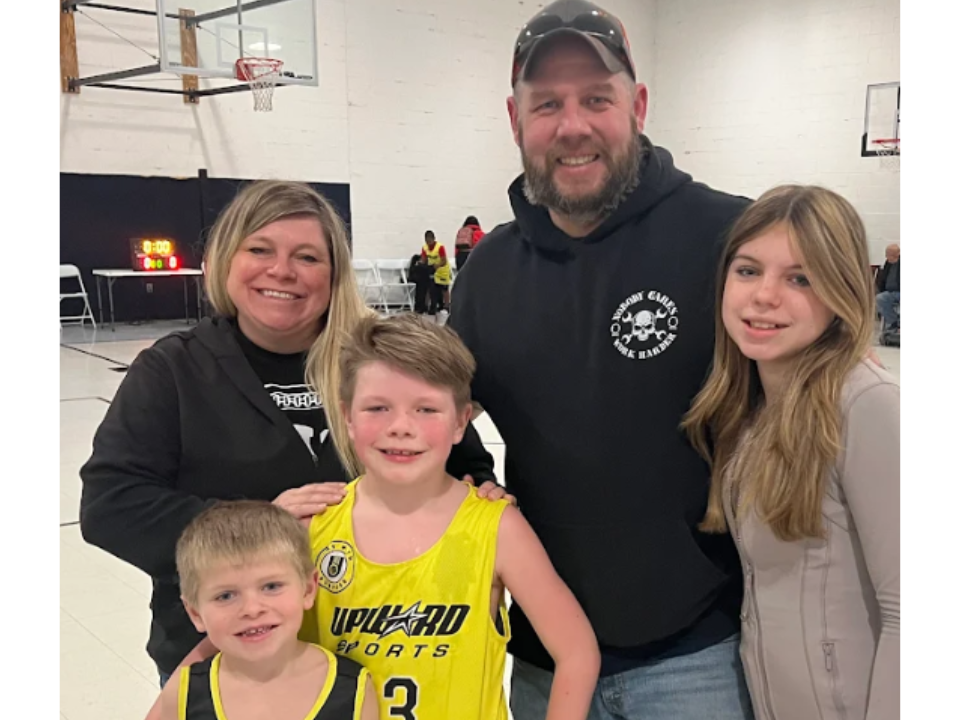
Abby’s journey into higher education and financial aid is a powerful example of how unexpected paths can lead to meaningful and impactful careers. What began as a role she “stumbled into” gradually transformed into a passion for supporting students, guiding them through complex financial decisions, and helping them achieve their educational goals. Now serving as an Assistant Director of Financial Aid, Abby has grown into a leadership role where she not only navigates the technical side of financial aid but also plays a vital role in shaping student success stories.
Through years of dedication, mentorship, and hands-on experience, Abby has developed a leadership style rooted in empathy, adaptability, and continuous growth. Her story shows the importance of staying open to new opportunities, embracing challenges, and finding purpose in helping others. In this interview, Abby shares her journey, the lessons she’s learned along the way, and what continues to inspire her every day.
Can you tell me a bit about your background and how you ended up at Ross?
My path into education wasn’t something I had planned from the start. Like many professionals, I found my way into the field through experience and opportunity rather than a clearly defined roadmap. What began as a stepping stone gradually evolved into a fulfilling career. Over time, I discovered a genuine passion for working in education and supporting students behind the scenes.
I’ve been part of the Ross community at the Flint campus for several years, growing within the organization and taking on increasing levels of responsibility. Today, I serve as the Assistant Director of Financial Aid, where I play a key role in helping students navigate one of the most important aspects of their educational journey.
Have you always wanted to work in education, or did you discover it along the way?
Education was not my initial career goal. It is something I discovered organically. My journey has been shaped by experience, learning, and being open to new opportunities. As I gained more exposure to the field, I realized how impactful this work could be, especially when it comes to helping students access education and build better futures.
What started as a job eventually turned into a meaningful career, driven by my growing passion for making a difference in students’ lives.
What inspired you to grow into your current leadership role?
I credit my growth to a combination of hands-on experience, mentorship, and a desire to continue learning. As I became more confident in my role, I naturally stepped into leadership opportunities and embraced the chance to guide others.
My progression into a director-level position was not just about career advancement. It was about having a greater impact. By taking on more responsibility, I’ve been able to support not only students but also my team, helping create a positive and collaborative environment.
What is your favorite part of your job, and what has been the most challenging?
One of my favorite aspects of my role is helping students navigate financial aid and ultimately achieve their educational goals. Being part of that journey, especially during such an important time in a student’s life, is incredibly rewarding.
At the same time, the role comes with challenges, especially when I first started. Financial aid involves complex regulations, strict deadlines, and a high level of responsibility. Learning how to balance those technical demands with the human side of the job took time and experience.
Through persistence and a willingness to learn, I was able to overcome those challenges and grow more confident in my abilities.
Have you had any mentors who influenced your journey?
Throughout my career, I’ve been fortunate to have mentors who guided and supported me along the way. They played an important role in helping me build confidence, develop my skills, and navigate challenges.
Their influence not only shaped my professional growth but also inspired me to support others in the same way, offering guidance to my own team members.
What should people know about financial aid before entering the field?
Financial aid is much more than numbers and paperwork. It is about people. While the role requires a strong understanding of policies, compliance, and regulations, it also demands empathy and strong communication skills.
Students often come into the process feeling overwhelmed or uncertain, and financial aid professionals play a critical role in helping them feel supported and informed. For anyone considering this field, patience, attention to detail, and a genuine desire to help others are essential.
How would you describe your leadership style?
My leadership style has evolved over time. Early in my career, I focused heavily on learning the technical aspects of my role. As I stepped into leadership, I began to prioritize communication, support, and collaboration.
I value creating an environment where team members feel comfortable asking questions, growing professionally, and contributing their ideas. I believe strong teams are built through encouragement, understanding, and mutual respect.
What qualities are most important for someone working in financial aid?
Some of the most important qualities include patience, attention to detail, strong communication skills, and empathy. Financial aid professionals need to navigate complex systems while also supporting students through potentially stressful situations.
Being adaptable and willing to continuously learn is also key, as regulations and processes can change over time.
How do you support and mentor your team?
I take pride in supporting my team’s growth and development. I encourage open communication, provide guidance when needed, and create opportunities for team members to learn and expand their skills.
By fostering a supportive environment, I help my team build confidence and develop professionally, ensuring they feel valued and empowered in their roles.
What keeps you motivated and passionate about your work?
The biggest source of motivation for me is the students. Knowing that my work directly impacts their ability to pursue education and improve their lives gives me a strong sense of purpose.
Even during challenging times, I stay focused on the bigger picture by helping students overcome barriers and achieve their goals.
What is an accomplishment you’re most proud of?
It’s difficult to point to just one accomplishment, but I take pride in my overall growth and the impact I’ve made throughout my career. From stepping into leadership to supporting students and mentoring my team, my journey is filled with meaningful milestones.
What advice would you give your younger self?
I would tell my younger self to slow down and not rush the process. Growth takes time, and it is important to be patient, stay open to learning, and trust the journey.
What is a fun fact about you?
A fun and surprising fact about me is my connection to the Upper Peninsula, where winters can be intense and require a completely different lifestyle. It is a unique part of my background that often sparks conversation.
How do you and your family like to spend your free time?
Outside of work, I enjoy spending time with my family. Whether it is coaching or simply being together, those moments allow me to recharge and maintain a healthy balance between my professional and personal life.
What does a typical day look like for you?
No two days are exactly the same for me. My role involves balancing administrative responsibilities, supporting my team, and ensuring students receive the guidance they need. Whether I am working through financial aid processes or answering questions, my days are fast paced and dynamic.
Can you share a moment when you felt you made a difference in a student’s life?
One of the most rewarding parts of my role is seeing students succeed. From the moment they start their journey to the day they graduate, I have the opportunity to be part of their growth.
Those moments, especially when students overcome challenges and reach their goals, are a powerful reminder of why my work matters.
How do you balance the technical and personal sides of financial aid?
Success in my role comes from finding the right balance between compliance and compassion. While it is essential to follow regulations and meet deadlines, it is equally important to connect with students on a personal level.
By combining both aspects, I ensure that students not only receive accurate information but also feel supported throughout the process.
What are your future goals and aspirations?
Looking ahead, I hope to continue growing in my role and expanding my impact within the organization. I remain committed to supporting students, mentoring my team, and contributing to a positive and effective financial aid environment.
My journey is a reminder that sometimes the most meaningful careers are the ones we do not plan. Through dedication, adaptability, and a passion for helping others, I have built a career that not only supports student success but also inspires those around me.